Windquester Horizon Lite 2 Pro Review
A Review of the Windquester Horizon Lite 2 Pro Tent
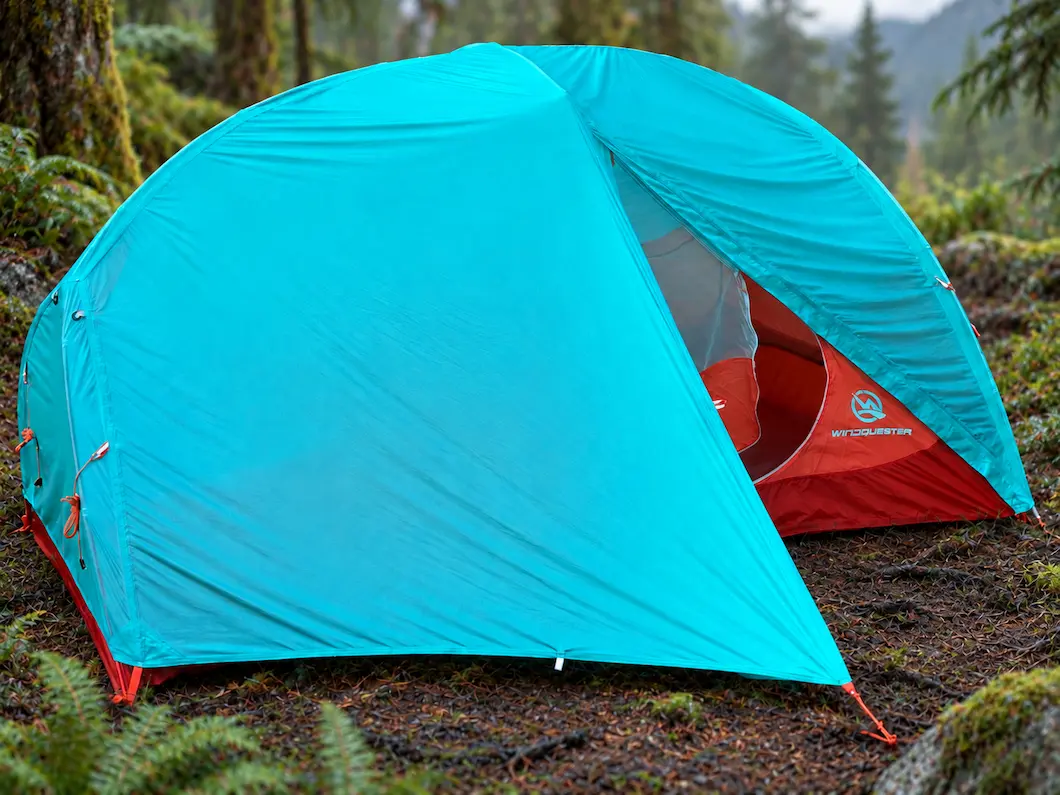
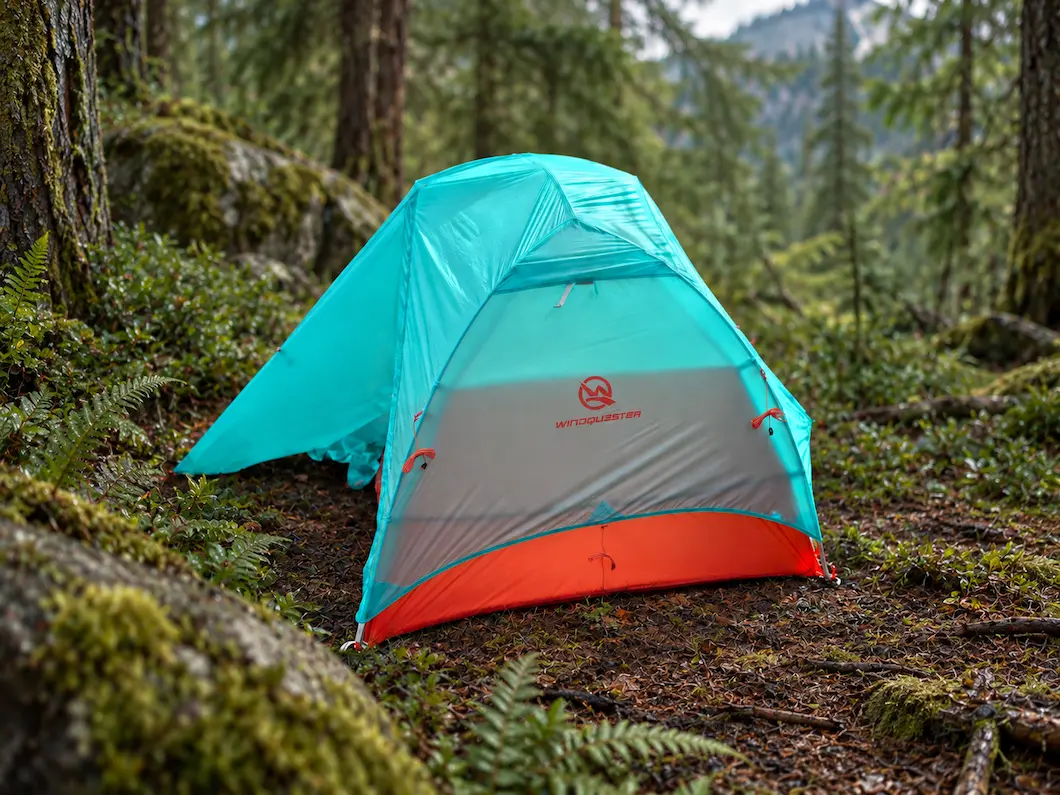
I’m always after a two-person tent that’s light enough to carry all day without noticing it, so when the Windquester Horizon Lite 2 Pro turned up at just over 3lbs, I wanted to see how it held up on the trail.
I set it up in the yard first, then took it out for a night on the HSCT. Here are my first impressions.
The Basics
The Horizon Lite 2 Pro is an ultralight, freestanding, three-season tent built for backpacking. (“Freestanding” means the poles hold the tent up on their own, so you can pitch it on a tent pad, a wooden platform, or hard-packed dirt where stakes are hard or not possible to use). Here on the West Coast, where a lot of backcountry sites are gravel pads or wooden (think the platforms at Golden Ears, Wedgemount, Mt McFarlane, etc), that becomes important.
It uses a Y-cross pole design, which is the single-hub layout you see on most modern ultralight tents. One connected pole set does most of the work, which keeps the setup fast and the packed size small.
Windquester designs locally here in Vancouver and manufactures in Vietnam.
Specifications
| Spec | Windquester Horizon Lite 2 Pro |
|---|---|
| Capacity | 2 person |
| Packed weight | 1.42 kg (3.13 lb) |
| Minimum weight | 1.33 kg (2.93 lb) |
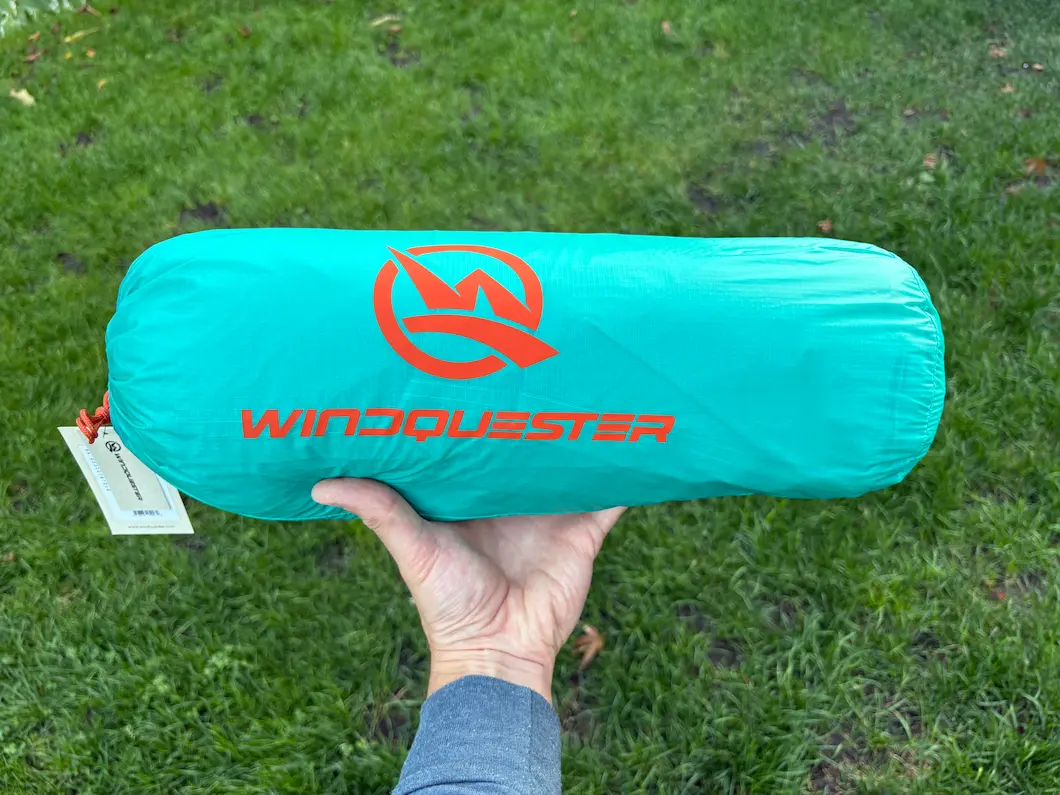
| Packed size | 43 x 14.5 cm (16.9 x 5.7 in) |
| Floor dimensions | 211 x 135 cm at the head, tapering to 112 cm at the foot (83 x 53 / 44 in) |
| Fly footprint length | 250 cm (98.4 in) |
| Peak height | 112 cm (44 in) |
| Doors / vestibules | 2 / 2 |
| Fly fabric | 15D ripstop nylon, 2500 mm, PFAS-free silicone/PU coating |
| Floor fabric | 15D ripstop nylon, 2500 mm, PFAS-free silicone/PU coating |
| Canopy fabric | 15D polyester micromesh / 15D ripstop, PFAS-free DWR |
| Poles | DAC Featherlite NFL 8.7 mm aluminum |
| Stakes | Aluminum J-stake, 8 included |
| Guylines | 2 mm Dyneema, reflective |
| Zippers | YKK |
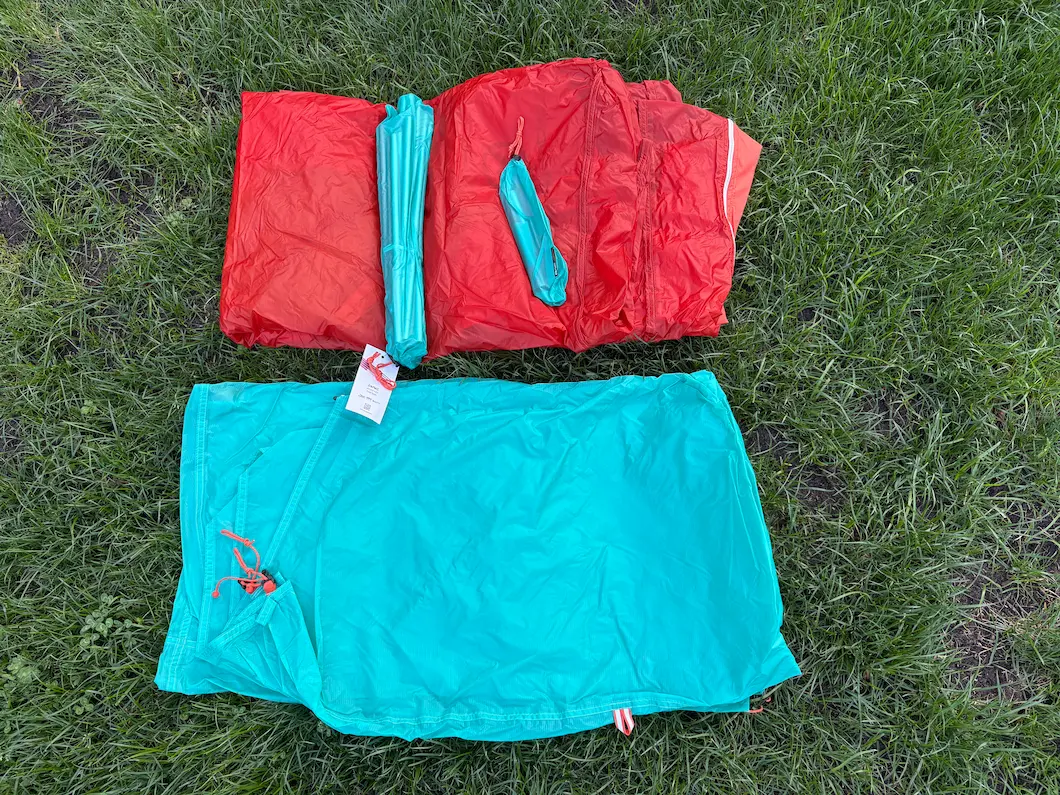
Included in the box: the fly, the inner tent, the DAC pole set, eight aluminum J-stakes, five reflective Dyneema guylines with tensioners, a repair kit, stuff sacks for the tent, poles, and pegs, manual.
Setup and First Pitch
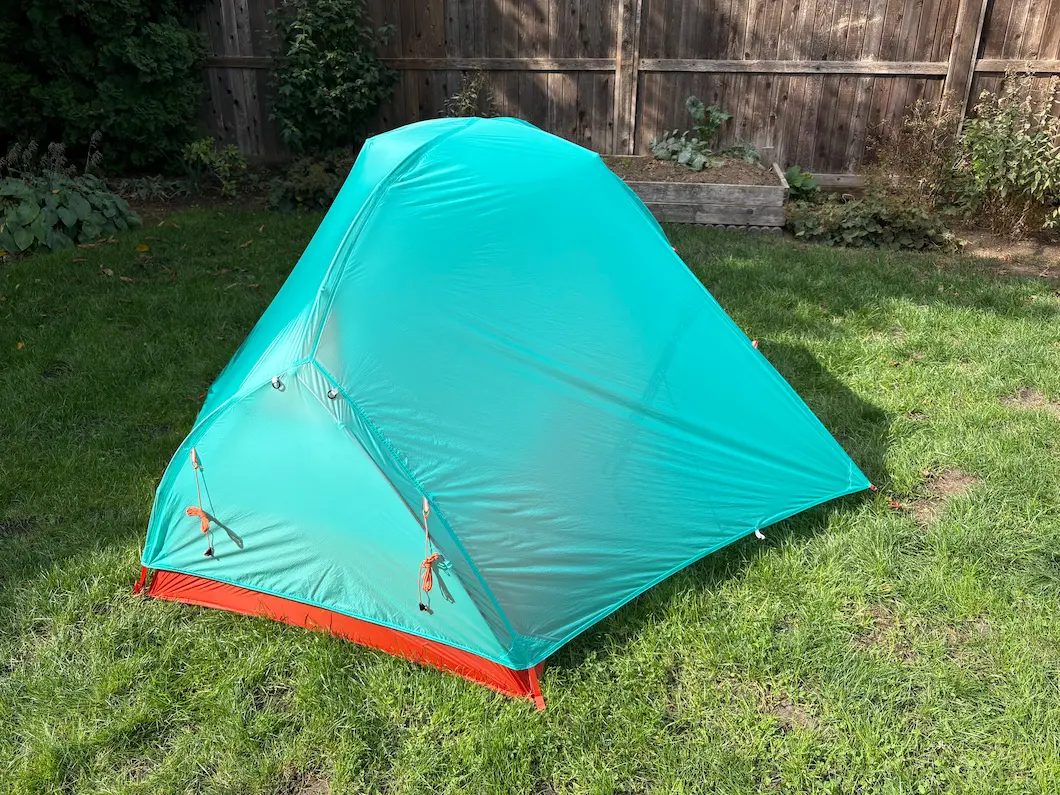
I set it up at home first to get a feel for it. Start to finish, it took me about ten minutes, and that was my first try without looking at the manual.
The pitch is about as simple as freestanding tents get. The single Y-cross pole assembly connects at a central hub, the inner clips on, and the fly drapes over and stakes out at the corners. No sleeves to thread. The one thing to watch is the tapered shape: the floor is wider at the head than at the foot, so it has a right way / wrong way to set up. Windquester colour-codes the pole tips, so it’s not a problem once you know to look for it.
One thing I really like is that the J-stakes are the light kind that actually hold in soft ground instead of bending on the first rock you hit. The YKK zippers run without snagging on the fabric, and the pole hub feels solid.
Materials and Build
For a tent this light, it all comes down to the materials used.
The poles are DAC Featherlite NFL, 8.7 mm. DAC is the pole brand the premium tent makers use, and a lot of budget “ultralight” tents cut this exact corner with generic aluminum that bends.
The fly and floor are both 15D ripstop nylon with a 2500 mm coating. (In plain English, 15D is thin and light, and 2500 mm is a reasonable waterproof rating for a three-season fly).
The fly is nylon and the inner body is polyester (polyester soaks up less overnight moisture and stands up to UV better).
The canopy mixes 15D polyester micromesh with a section of breathable ripstop, and the zippers are YKK. Zippers may seem boring, but nothing is more annoying than a cheap zipper that snags or completely fails. So it’s another small detail where you can see where Windquester has not tried to cheap out.
Sleeping Space
The floor is 211 cm long and tapers from 135 cm across at the head to 112 cm at the foot. In practice, two regular-width pads fit side by side, the wider shoulder end gives you room to sit up and sort gear, and the narrower foot end saves weight where you do not need the space. At 211 cm of length, it is comfortable for average-height sleepers, but if you are over about six foot one, check that your pad and bag are not crowding both ends before you commit to it for a long trip.
The 112 cm peak height is about average for the ultralight class: enough to sit up and change a layer, not enough to lounge. The bigger deal is the two-door layout, with a vestibule on each side. Two doors means nobody climbs over anybody for a midnight bathroom trip, and a covered vestibule on both sides means each person gets their own spot for muddy boots and a wet pack. For West Coast trips where your gear is damp more often than not, that second vestibule is a great feature!
Weather and Ventilation
My one night out was dry and calm, so I cannot vouch for how this tent sheds a downpour or holds its shape in heavy winds.
What I can speak to is condensation, which builds up even on a dry night. To me it seemed normal. I noticed the usual bit of morning moisture you get in any tent, noticeable, but nothing that left my gear damp. The waterproofing is there on the spec sheet, a full-coverage fly at 2500 mm, and based on the overall quality of this tent, I don’t have any concerns that it won’t hold up well.
Pros and Cons
Pros
- Light for a freestanding two-person tent: 1.42 kg packed!
- Real DAC Featherlite poles and YKK zippers, not generic substitutes
- Smart two-fabric build: a nylon fly for wind-stress strength, a polyester inner for less overnight moisture
- Two doors and a vestibule on each side, so two people are not fighting over one exit
- Fast and easy setup: about ten minutes on my first try, with color-coded poles so you don’t set it up backwards
- Small packed size (43 x 14.5 cm) fits easily in a pack.
Cons
- The 15D floor is thin, so bring a footprint (not included, but available for purchase from Windquester) and be careful of sharp ground. This is normal for ultralight tents, but worth noting)
- 2500 mm rating is fine for three seasons, not for heavy winter
- 112 cm peak height is functional, but not roomy, if you like to sit up and read
- At 211 cm long, the floor is on the shorter side for tall sleepers
Conclusion
On build and spec, this is a great tent for the weight. The pieces that usually get cheapened on an affordable ultralight tent (the poles, the zippers, the waterproofing fabric mix) are all really good quality on this tent. The two-door layout with a vestibule on each side, plus the sub-4 lb weight, make it a sensible pick for exactly the kind of overnight and multi-day trips I like to do locally.
After a quick outing with this tent, it checks all my main boxes: quick to pitch, roomy enough for two, and easy to carry. My weekend stayed dry, so I haven’t truly tested it in the rain, but I have no doubt it would hold up great. For now, it is earning a spot in my pack for the next few overnighters!
Learn more on the official Windquester site.